Lawn Tractor Snow Cabs: A Buyer's Guide and Market Overview
Winter's icy grip transforms snow removal from a chore into a potentially hazardous and uncomfortable task, especially when using a lawn tractor. But what if you could transform this frigid ordeal into a comfortable and safe experience? The answer lies in lawn tractor snow cabs, offering crucial protection from the elements and enhanced safety features. This article delves into the benefits of these essential winter accessories, focusing primarily on the Bercomac 40" Winter Cab, while acknowledging the limitations of available competitor data. We'll provide practical advice for consumers, businesses, and dealers, ensuring you're well-equipped to make informed decisions. For more information on snow removal equipment, check out this resource.
Why Choose a Lawn Tractor Snow Cab? More Than Just Comfort
Imagine battling a blizzard, wind whipping snow into your face, and your fingers numb with cold. A snow cab offers more than just warmth; it's a critical safety investment. Exposure to the elements is uncomfortable at best, dangerous at worst. Furthermore, gas-powered equipment poses a significant carbon monoxide (CO) poisoning risk. Many snow cabs incorporate ventilation systems designed to mitigate this risk, significantly enhancing operator safety. Beyond comfort and safety, a snow cab can increase productivity. By shielding you from the elements, you can focus on the task at hand and potentially clear snow faster and more efficiently.
Bercomac 40" Winter Cab: A Detailed Review
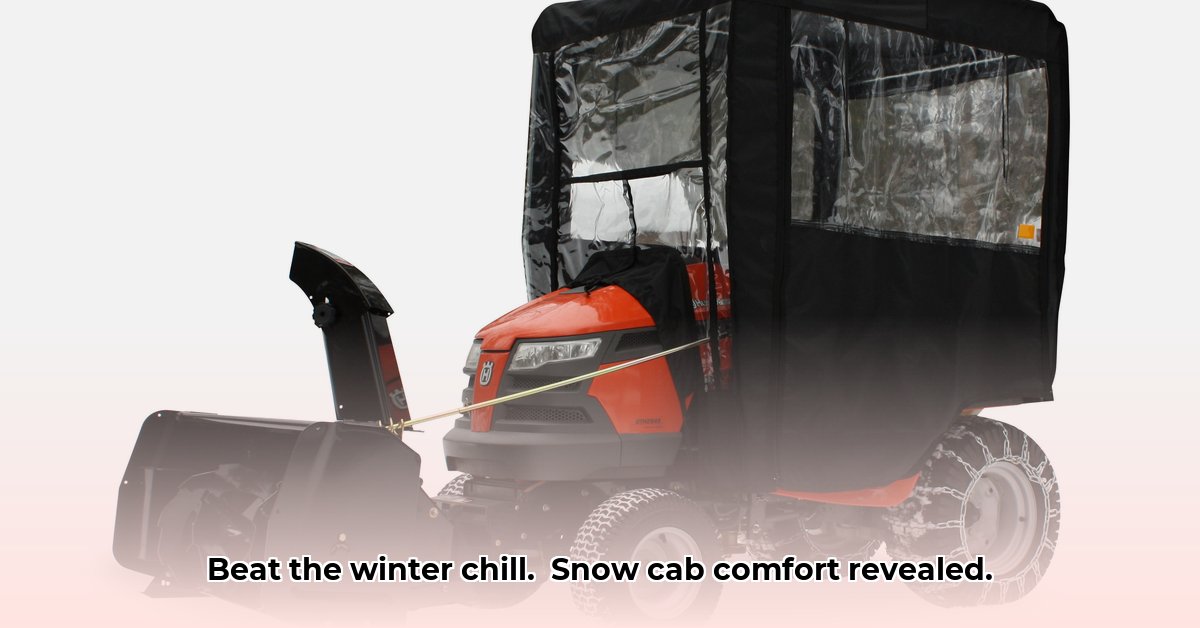
The Bercomac 40" Winter Cab serves as a valuable case study, showcasing features common to many universal cabs. While a lack of readily available information on competitors like Original Cab prevents direct comparisons, the Bercomac model highlights both advantages and limitations of this equipment type.
Features and Benefits:
- Durable Construction: The Bercomac utilizes robust polyester canvas and PVC windows, providing resistance to the rigors of winter weather. This durability translates to extended lifespan and a worthwhile investment.
- Effective Ventilation: Crucially, the cab includes air vents, a vital safety feature designed to minimize dangerous carbon monoxide buildup, ensuring a healthier working environment. The importance of adequate ventilation cannot be overstated.
- Generally Easy Installation: While some minor modifications might be necessary depending on your specific tractor model, most users report a relatively straightforward installation process.
Limitations:
- Potential for Modifications: The Bercomac’s emphasis on universal compatibility often requires minor adjustments, potentially involving drilling or custom bracket fabrication. Such modifications require mechanical aptitude and may deter less experienced users.
- Limited Compatibility Information: More comprehensive compatibility data regarding specific tractor models would facilitate informed purchasing decisions and minimize potential installation complications.
Installing Your Snow Cab: A Step-by-Step Guide
Before you begin, remember safety is paramount! Always consult the manufacturer’s instructions.
- Preparation: Thoroughly read the manufacturer's instructions, gather all necessary tools (a drill, basic hand tools are typically required), and ensure a clean, level workspace.
- Mounting: Securely fasten the cab's frame to your tractor's ROPS (Roll Over Protective Structure) or designated mounting points using the provided bolts and brackets.
- Panel Installation: Attach the cab panels, ensuring a tight and secure fit. This may involve snapping or fastening panels in place.
- Window and Door Installation: Carefully install windows and doors, ensuring proper sealing to prevent drafts.
- Final Checks: Thoroughly inspect all connections and fasteners for tightness. Verify that all doors and windows operate smoothly and correctly.
Selecting the Right Snow Cab: A Buyer's Checklist
Purchasing a snow cab requires careful consideration of several key factors:
- Tractor Compatibility: Verify complete compatibility with your specific tractor model. Check the manufacturer's website for detailed compatibility charts or contact customer support.
- Feature Assessment: Consider essential features such as clear visibility through the windows, effective ventilation, and a robust overall build quality. Prioritize features that align with your needs and budget.
- Budget Allocation: Establish a realistic budget before you begin shopping. Prices vary considerably depending on features and brand.
- Installation Options: Determine your comfort level with DIY installation. If unsure, seek professional installation services to avoid potential errors and ensure a secure assembly.
The Competitive Landscape: An Analysis
Limited information on competing products hampers direct comparative analysis. However, the absence of readily available data on competitors like Original Cab suggests varying market segmentation strategies. Competitors might be focusing on niche markets, specializing in custom fits for less common lawn tractor models or offering unique features targeting specific customer needs. Greater transparency and detailed product information would benefit both consumers and the industry as a whole.
Actionable Insights for All Stakeholders
| Stakeholder | Recommended Actions |
|---|---|
| Consumers | Thoroughly research available models, focusing on compatibility and features. Consider DIY versus professional installation. |
| Dealers/Distributors | Offer a diverse range of cab models and sizes to cater to various customer needs. Provide installation services as value-added support. |
| Manufacturers | Invest in clear, detailed online resources (including compatibility guides and user manuals) to enhance transparency and improve customer experience. |
Safety and Regulatory Considerations
While specific regulations vary geographically, safety always takes precedence. Key considerations involve carbon monoxide emissions, flammability of cab materials, and adherence to relevant safety and environmental standards. Manufacturers should prioritize these aspects during design and production. Adequate ventilation is critical for minimizing CO risks—essential for operator well-being and safety.
Choosing a lawn tractor snow cab represents an investment in winter comfort, safety, and productivity. By carefully researching your options, understanding the installation process, and prioritizing safety, you can confidently tackle winter snow removal.